A Temperate Earth-Sized World Around a Quiet Red Dwarf
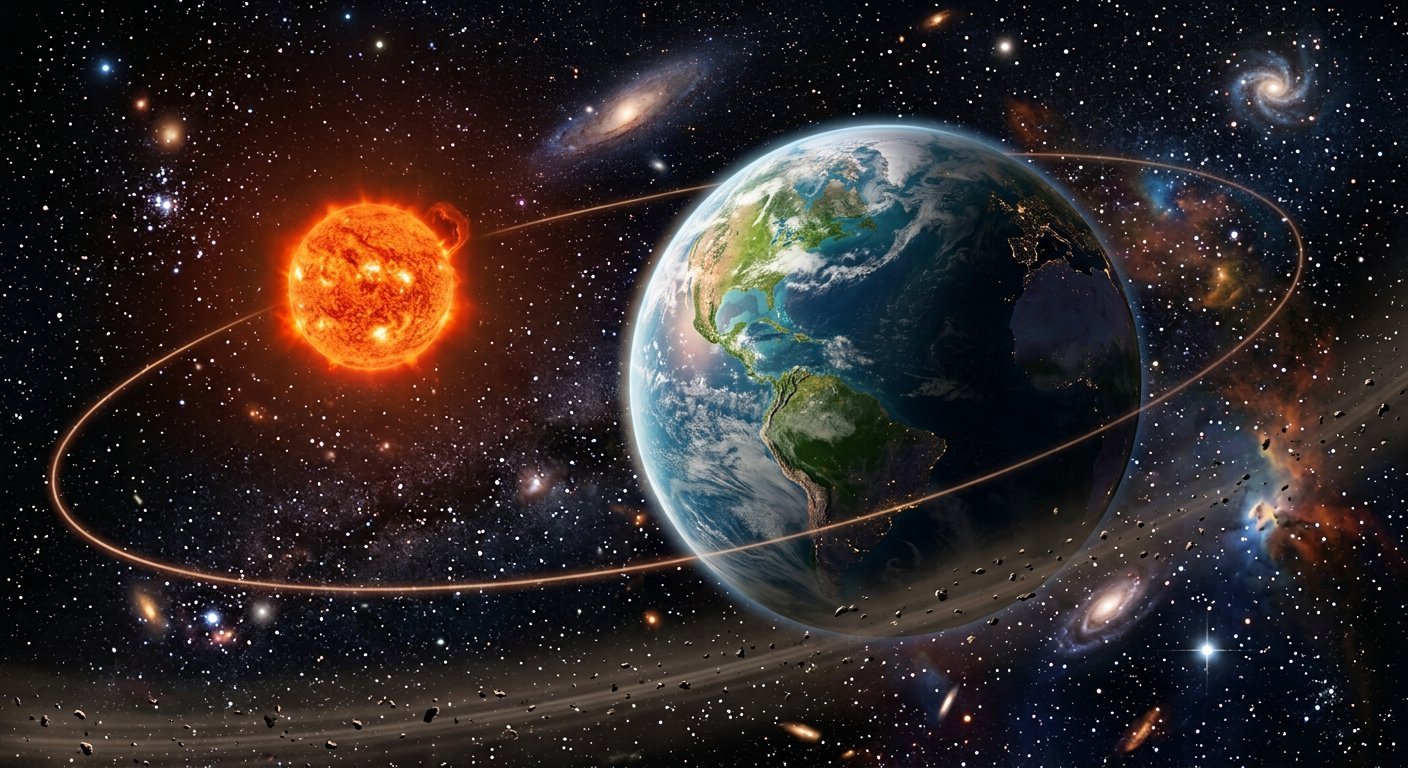
Red dwarfs are the most common stars in the galaxy, and because they are small and dim, an Earth-sized exoplanet passing in front of one produces a comparatively deep, detectable transit signal.
That makes them our best hunting grounds for temperate rocky worlds with today's instruments.
The flare problem
Many red dwarfs are magnetically violent, blasting their planets with flares and ultraviolet radiation that can strip atmospheres. The most promising systems are the magnetically quiet ones — older stars that have calmed down.
What comes next
The next step is atmospheric characterisation: watching starlight filter through a planet's atmosphere during transit to search for water vapour, carbon dioxide, and — one day — biosignature gases such as oxygen paired with methane.
Within the coming decade we may be able to say, for a handful of nearby worlds, whether they have atmospheres at all. That alone would be a milestone in the search for life.

Dr. Maryam Khalid
Astronomer · Exoplanet Systems
Dr. Maryam Khalid searches for and characterises rocky exoplanets around M-dwarf stars using transit photometry and radial velocity follow-up. She is particularly interested in the atmospheres of temperate terrestrial wo… View portfolio →
💬 Comments (0)